
Program Brief
In the pursuit of impactful research outcomes, Explore Aid Nigeria recognizes the paramount importance of equipping researchers, research assistants, and project staff with the necessary skills and ethical frameworks. This comprehensive training program focused on research methodology and ethical principles was designed to strengthen the quality and integrity of research conducted in conflict-affected and humanitarian settings.
The training covered a wide range of topics: research design (qualitative, quantitative, and mixed methods); sampling techniques; data collection methods including surveys, interviews, and focus group discussions; data analysis and interpretation; and the use of digital tools for data management. A significant emphasis was placed on research ethics, including informed consent, confidentiality, protection of vulnerable populations, and the principles of do-no-harm. Participants also engaged in practical exercises to develop data collection tools and practice ethical decision-making in complex scenarios.
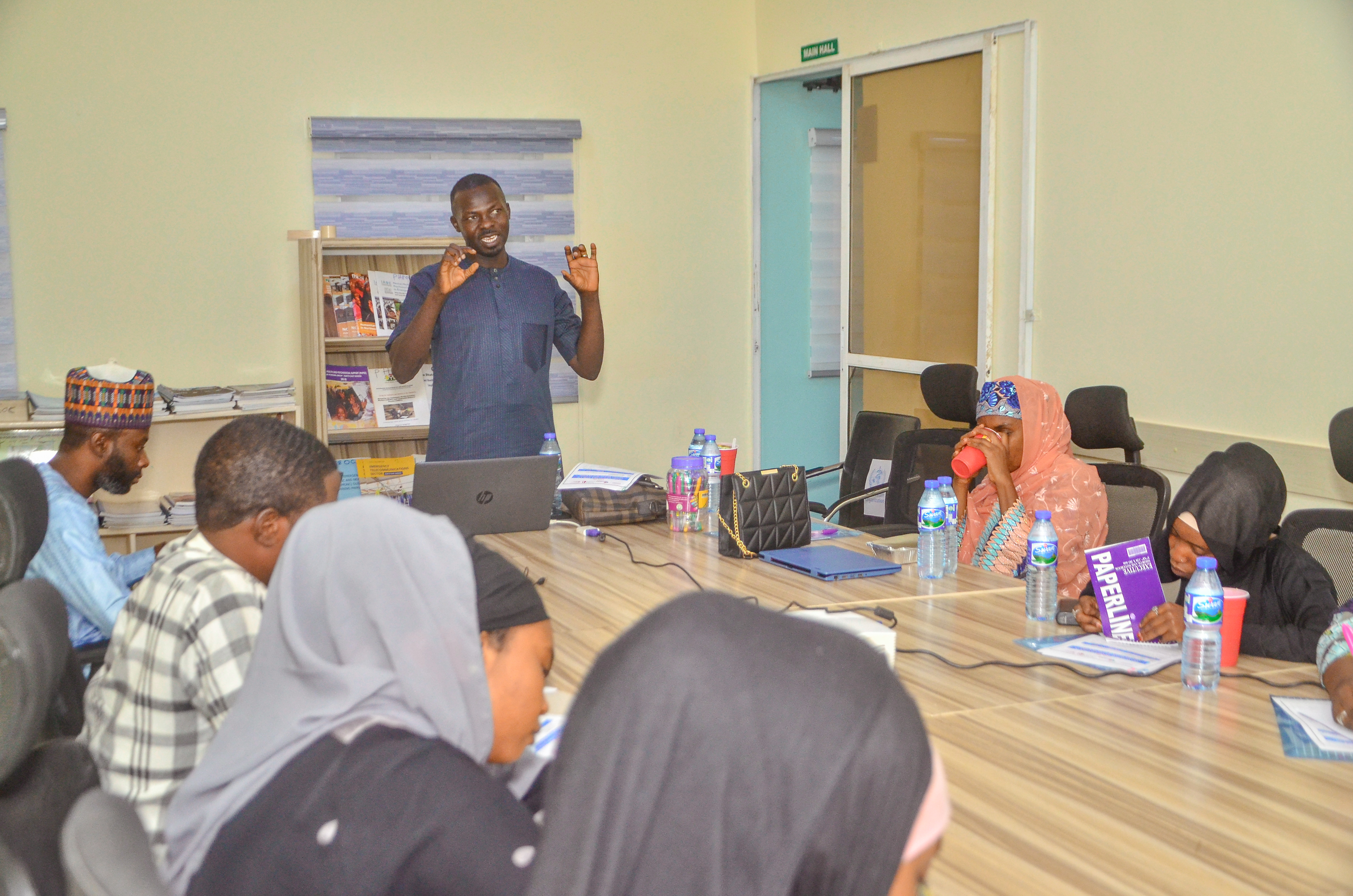
A total of 45 participants (28 women, 17 men) from Explore Aid's project teams, partner organizations, and academic institutions attended the five-day training. Facilitators included experienced researchers from Nigerian universities and international consultants. Pre- and post-training assessments indicated a 45% improvement in participants' understanding of research methodology and ethical standards.
Key outcomes: development of a standardized research ethics protocol for Explore Aid; establishment of an internal research review committee; and the successful design of three research proposals that were subsequently funded. The training has significantly enhanced the organization's capacity to generate credible evidence that informs programming and advocacy.